 |
|
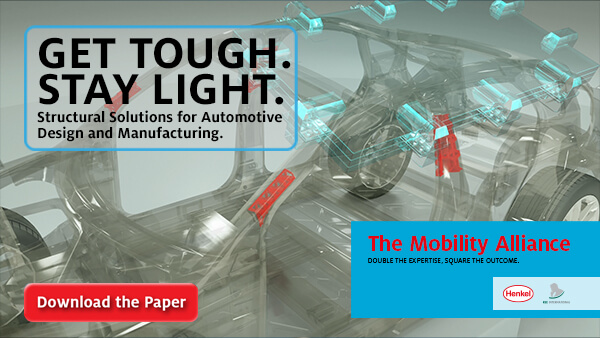
| Reducing Vehicle Weight & Meeting Performance through Design Optimization Today’s automotive landscape is changing faster than perhaps ever in the history of the industry. The move toward vehicle electrification, in particular, has significant implications for vehicle body design and development. For example, automakers are working to offset the weight of a full-battery electric vehicle powertrain – which can be, on average, 125 percent heavier than a standard internal combustion engine vehicle powertrain. The vehicle body and closures represent the biggest area for weight savings. When optimized during the advanced design stage, automakers can realize the largest cost, weight and time savings. In a recent study, Henkel and multi-national engineering group, RLE International, found design optimization can result in 42 kilograms in weight savings and a 6 percent reduction joining elements – all while meeting or improving target crash and performance standards. A & B Pillar Optimization Example Reducing steel reinforcements and adding structural solutions is one way to achieve this goal. In a test case scenario, the thickness of the A & B pillar hot stamped steel reinforcement was reduced by 30 percent. Structural inserts were then added to prevent crippling – achieving a 5.1 strength-to-weight ratio - the same as the initial body. | |
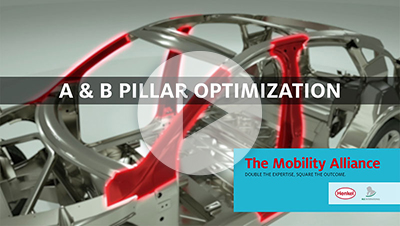 Learn more about the use of structural inserts to drive weight reduction and performance improvements in our latest white paper.
|
© 2021 Henkel Corporation. All Rights Reserved |